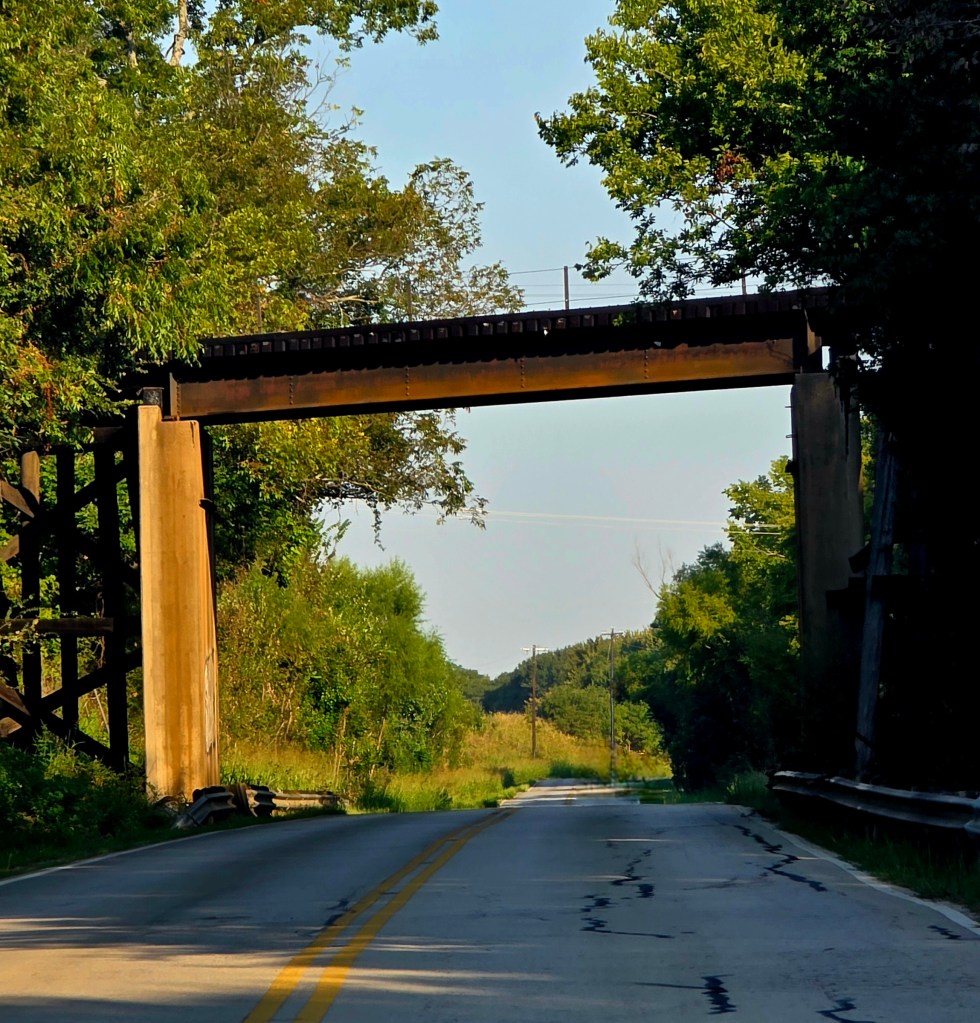
They say words mean something or nothing at all. In the old wing of the mind, where curtains never quite let daylight in, those words gather like dust and like prayer. They could be true, false, or the careful lies someone tells themselves to make a wound less loud. In that place she lived—always moving, always inside her own head—stories arranged themselves and performed without an audience. Outside, her body lay still at night. Inside, she walked rooms that did not exist, opened doors that were only suggestions, and crossed bridges of memory that refused to hold her weight.
Names changed to protect the guilty. Sins were repackaged as accidents of fate. Denial was a language all its own. The protected ones—those who learned how to wear comfort like armor—were sometimes a curse and sometimes a mercy. They never had the luxury of ignorance. They learned too young that what you do to the world often returns in ways far worse than you can picture. The return is not neat. It is not poetic. It arrives as a slow, patient thing that knows how to wait.
He was the sort of man who thought he saw the world whole until one glance split it open. In the garden of his life she was the one he had never known he needed. He looked at her as though he had found the other half of something he had lost before he even understood he had been whole. The earth stopped for a breath. A glance became a confession. Fate, if one believes in such things, conspired not through thunder but through the quiet accumulation of small, exact conditions that led two strangers to stand here now.
He wanted to be the man he saw through her eyes. It was neither vanity nor humility. It was hunger disguised as hope. He imagined beginning again, not because the past had been kind, but because it had taught him how to want differently. In her presence the idea of a new life felt fragile and urgent, like glass warmed and reshaped by hands that did not tremble.
Dreams are greedy. In her dream he returned—innocent, redeemed, or simply a better actor in an older story. He saw, at last, what she had tried to show him through the slippery surface of the looking glass. The recognition hit him like cold rain. He ran from it. The harder he fled, the more the memory found him, curling into the corners of his nights until he learned to hold himself with fewer illusions. Grief and regret are stubborn students. They do not accept excuses.
There was once a love that needed nothing from the world but presence. It asked only for honesty and for a place not first and not last, but second. That small, clear request was too much for some. People framed it as a demand for sacrifice. He mistook honesty for cruelty. He could not see that to be put second was to be trusted with a truth most people fear: that love must survive alone, without performance, without a constant audience. She offered him the country of her soul and asked only that he live in its borders genuinely. He left. He told himself the timing was wrong. He made a life of nearly right moments and unfinished sentences.
People believe patterns are safety. He believed that returning to the same room, on the same street, in the same house might lead him back to her. He mistook repetition for map. Comfort lives in repetition. Comfort is a thing that scratches an old wound until the edges blur. There, battling his demons in the light of the same lamp, he felt safely uncomfortable. The pattern allowed him excuses. The pattern told him that if he retraced his steps precisely, the universe would reproduce a lost tenderness. That is not how mercy works.
She watched him from the periphery of her own making. She understood the strange shape of his loneliness. She understood his messy kindness, the way he loved wildly and without explanation. She knew the introverted extrovert, the brilliant, quieter ruin who had no place to call home. For a moment he had someone who understood the crazy, who made the strange parts of him feel like furniture in a room rather than evidence of rot. But timing, the cruel bureaucrat of life, had other priorities. Obligations rose like walls. He retreated, chalked the fault up to circumstance, and carried on as before.
There would always be another like her somewhere. The world has a way of repeating beauty until it loses its meaning. Scent, the tilt of a smile, the way light catches a cheek—all these can be mimicked. People fool themselves into thinking that resemblance is replacement. Hollow shells begin to populate the rooms. They want what cannot be given because the true thing has moved, or because the heart that once held it belongs now to someone else or nowhere at all.
When she spoke of tribes and families, she spoke of those who choose to shelter one another. They stood tall not because they were unbreakable but because they learned to reassemble themselves after breaking. They made their own laws and their own altars. They practiced small ceremonies of survival. Love, for them, was a work of construction: cautious, stubborn, practical.
In the end it was not about punishment or justice. It was about truth. The world has a ledger, whether anyone reads it or not. Actions carve lines that cannot be smoothed away. The protected ones live with those lines like tattoos: visible, intimate, sometimes ugly, always true. The ones who walked away thought they had traded weight for freedom. Instead they had traded one burden for a different kind of absence. Absence grows. Absence teaches lessons the living cannot always teach.
He repeated his patterns, hoping for a miracle. She continued to move, to build, to keep a map only she could read. The story did not end in fireworks or neat reconciliation. The gothic is not interested in tidy endings. It prefers the slow illumination of what remains after choices have been made. It prefers to honor the quiet, stubborn growth of someone who learns to stand alone and then chooses, once more, whether or not to share that ground.
Outside, the night pressed its face to the window. Inside, where the words mean something or nothing, she whispered to herself a sentence she had learned to keep: some things are true because you decide to keep them true. That, in the end, is the only miracle anyone can call their own.


Leave a comment